CONTACT US
Please contact us with any product questions, or any other information you may need.

Since the beginning of time, humans have based their activities around light. Our natural body clocks, or circadian rhythms, keep us awake and alert during the day and ready to sleep at night. Essentially, we are creatures of the day because we don’t see well in the dark.
For the last century, artificial light has tried to imitate the warmth of fire, which was our first way of extending daylight into our homes. However, as technology has improved, we’ve often chosen efficiency over the cozy feel of firelight. But nature offers important lessons. While it might have seemed okay to prioritize bright, white lights for work, research now shows that the color of light, how bright it is and when we are exposed to it can significantly affect our mood, emotions and sense of calm.
Lighting plays a crucial role in our everyday lives, even though it’s often taken for granted since it’s hidden behind walls or included with the house. It shapes how we see our surroundings, affects our mood, and can even influence our productivity. However, not all lighting is the same. The difference between “good” and “bad” lighting can greatly change how we feel in a space. With new dimmable and color-changing LED lights, we now have more control than ever, allowing us to adjust the lighting to suit different activities and moods.
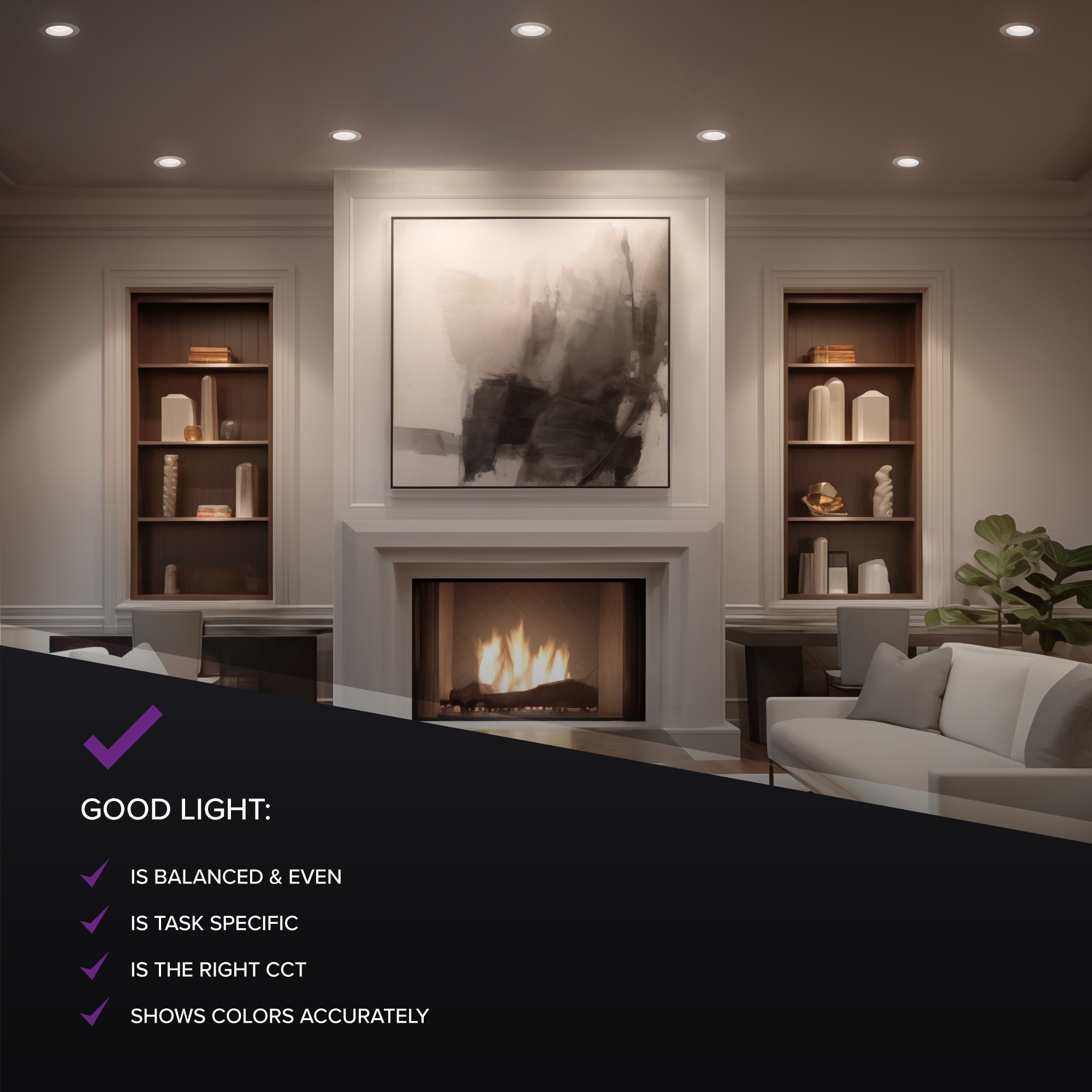 What is Good Light?
Good illumination isn’t just about brightening a room; it’s about creating the right environment for specific tasks, comfort and overall well-being. And the fixture style is important, too. You need the right light in the right place, with the right beam spread, color temperature and light output. Some characteristics of good light include:
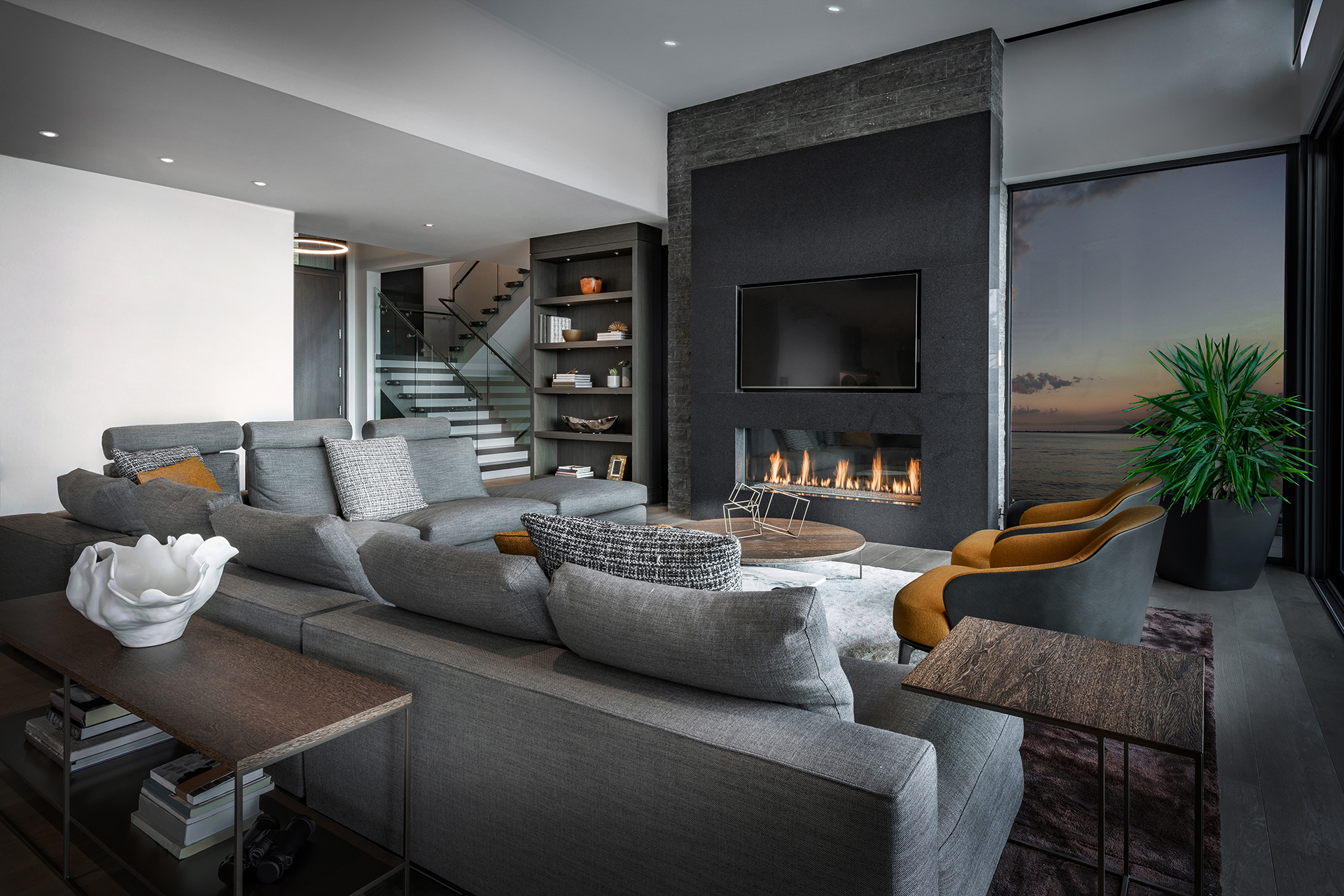
Good lighting essentially complements the design of the space, enhances the mood and provides users with functional, adaptable solutions tailored to their needs.
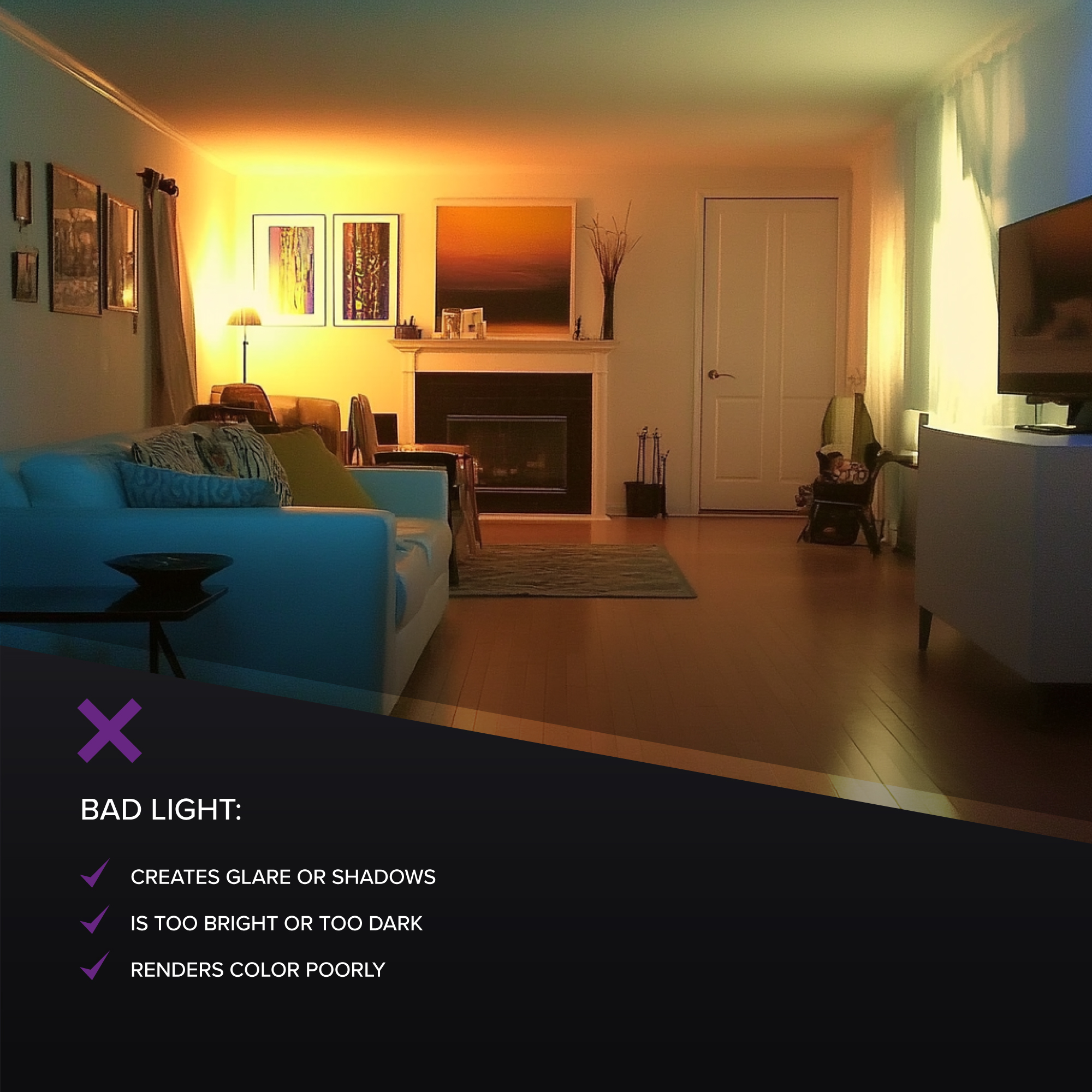 What is Bad Light?
On the other hand, bad illumination can cause discomfort and negatively affect the atmosphere of a space, even subconsciously. Here’s what to watch out for:
Being able to control the brightness and color of your lighting has a big impact on how we live. From setting the perfect tone for a family dinner to enhancing your focus in a home office, your lighting choices directly impact your day-to-day experiences. Control systems help by letting you set different scenes for various activities at the right times. For example:
How to Customize Light for the Perfect Environment“Consider this when selecting lighting for your home or business: you don’t do the same thing in every room of the house, so why would you use the same light in every room?” says Patrick Laidlaw, Director of Business Development for AiSPIRE. “We don’t need mood lighting in the garage to grab a shovel, but you also wouldn’t want to take a relaxing bath in bright-white lighting either. If you love the ambiance of your favorite spa, restaurant, gym, or coffee shop, you can bring that same lighting into your home with options that create personalized and meaningful experiences.”
AiSPIRE, a brand from WAC Lighting, is known for its creative lighting solutions. They offer advanced, customizable options like the “Four Experiences of Light,” showing their commitment to high-quality lighting that improves how we live in and use our spaces.
Here’s how each of the Four Experiences works.
ALPINE: Light Experienced Simply
AiSPIRE focuses on precise dimming across all products, allowing users to easily adjust light levels to their preference. Whether you want a cozy, relaxing atmosphere or bright lighting for tasks, the smooth, flicker-free dimming helps set the perfect mood for any room.
Our simplest luxury product, ALPINE, includes many high-quality lighting features and offers consistent color temperature. ALPINE comes in 2700 Kelvin warm white or 3000 Kelvin crisp white (similar to halogen light), and as you dim the lights, the brightness changes, but the color stays the same across the room.
ASTRO: Light Experienced Intimately, with Warm Dim Technology
Did you know regular LED products do not “warm” when you dim them?
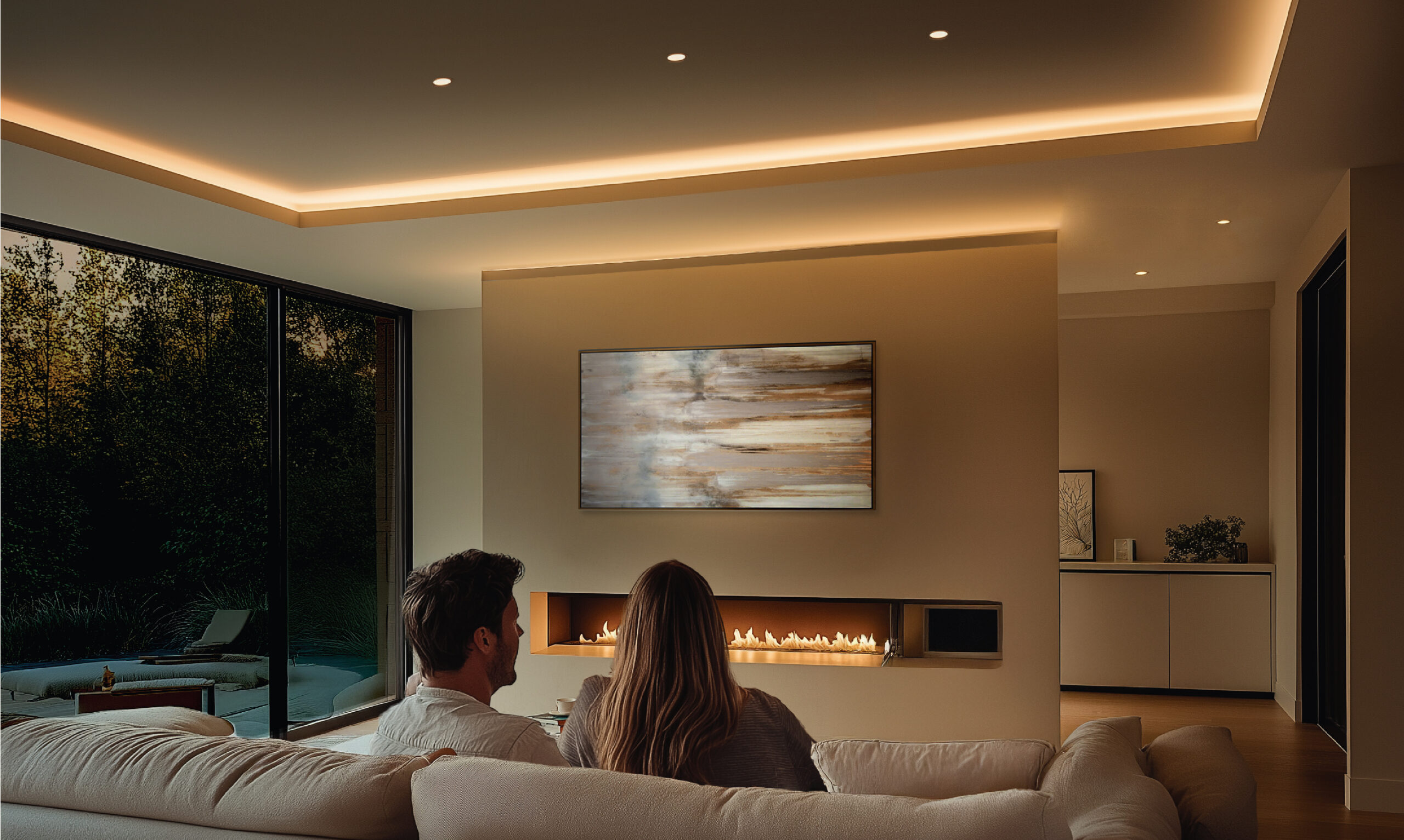
AiSPIRE ASTRO uses Dim-to-Warm technology that acts like incandescent bulbs, where the light becomes warmer as it dims. This experience mimics the transition of light during sunset, moving from a bright, cool tone to a soft, cozy glow as it dims. Warm Dim lighting is ideal for living spaces, dining rooms, or bedrooms, where users may prefer lighting that helps them unwind and create a sense of intimacy as the evening progresses.
ASTRO’s dimming technology is intuitive: it doesn’t require programming. Simply dim down ASTRO and watch it change from a crisp white to a candlelight glow while simultaneously decreasing light output. It’s great for a relaxing bath or reading in bed at night.
ATMOSPHERE: Light Experienced Naturally
Your favorite painting would look significantly different if you took it outside in the bright midday light versus outside at sunset or sunrise when the light is warmer due to how natural lighting affects colors and contrast.
ATMOSPHERE offers the highest “Naturalness” rating and lets you bring the outdoors inside. It’s the closest light source to natural sunlight on the market, featuring a Tunable White LED that ranges from warm white to mid-daylight. The technology used in ATMOSPHERE gives you complete control over the color temperature of your lighting.
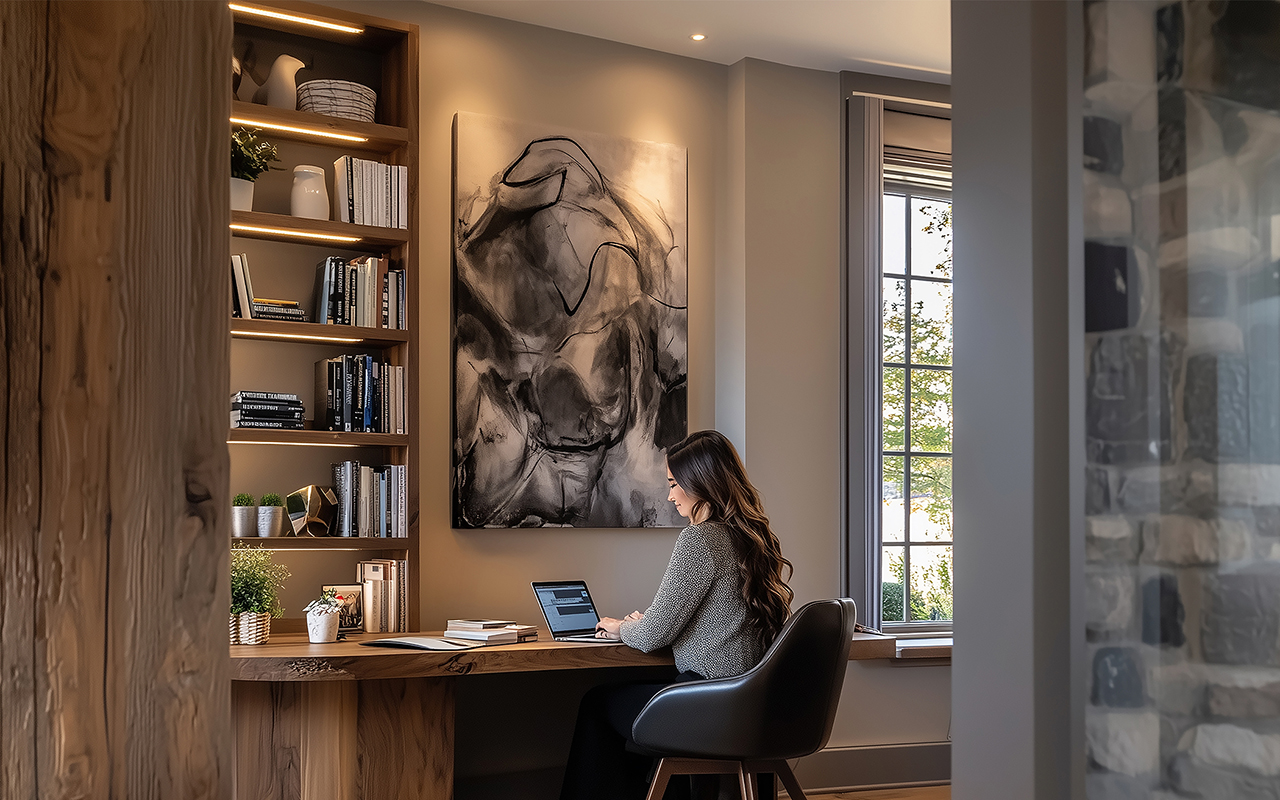
With two dimming options, you can adjust the light to suit any activity, highlight your favorite artwork or create the perfect white light that helps you feel your best. The ability to adjust color temperatures in real time helps support your circadian rhythm, fostering productivity during the day and relaxation at night. This flexibility in color temperature is particularly beneficial in spaces like home offices, kitchens and bedrooms.
AURORA: Light Experienced Beautifully
Human-Centric Lighting (HCL) is designed to improve well-being by adjusting light to follow the natural pattern of daylight. This helps boost productivity, mood and well-being by syncing artificial lighting with the body’s internal clock. AiSPIRE’s AURORA solutions offer tunable white lighting for tasks and ambiance while promoting wellness by changing brightness and color temperature throughout the day to mimic natural light.
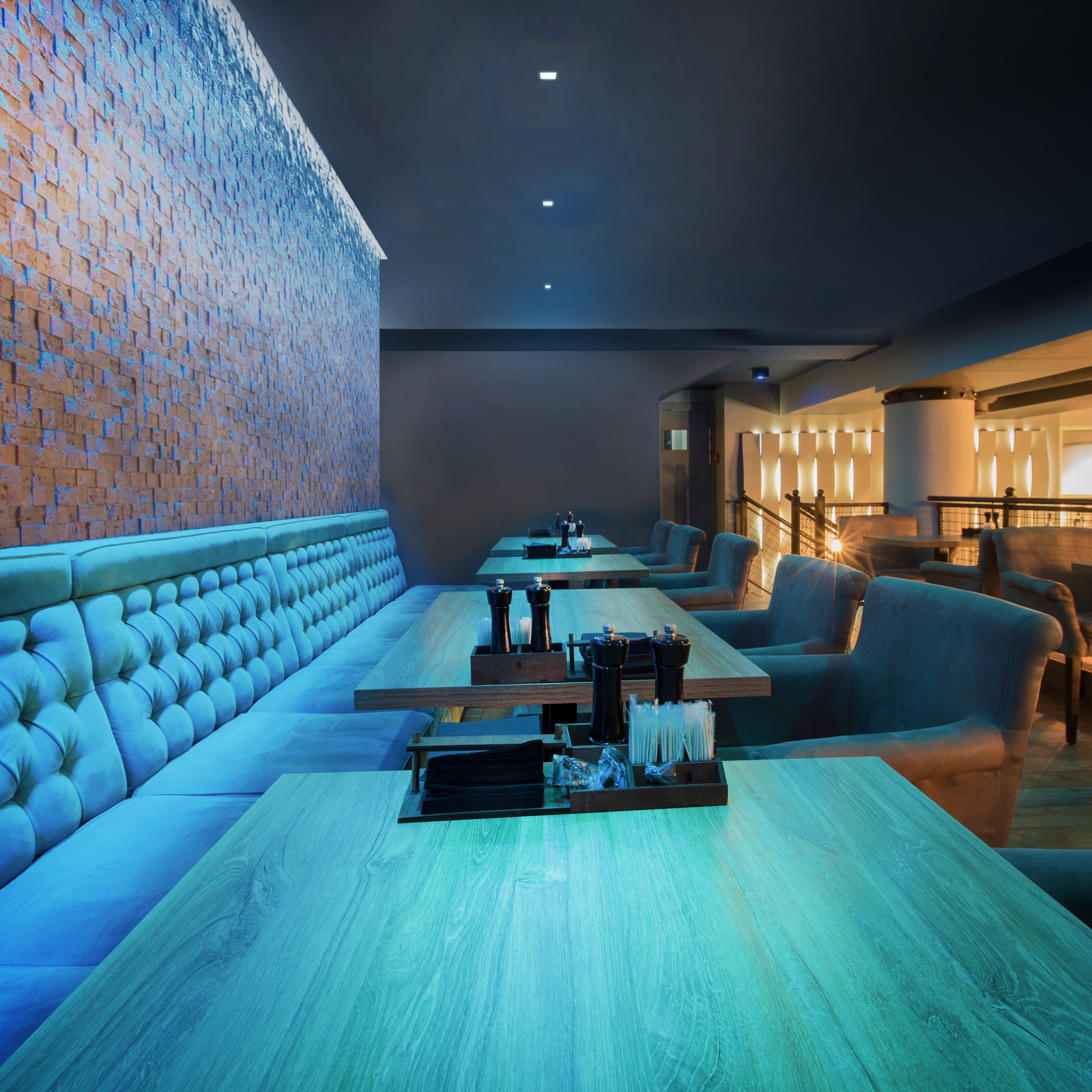
AURORA also allows you to add various colors to your space, which can affect mood and atmosphere. While not directly linked to circadian rhythm, colored lighting can influence how you feel. For example, blue and green tones can help you stay calm and focused, while warmer colors like red or orange create a cozy and intimate setting. This adds a personal touch to your space, helping to support different moods throughout the day.
AURORA is an extraordinary solution for a luxurious lifestyle. With millions of color, hue and intensity options, you can customize every experience. Soften the lighting in your yoga studio with a gentle pink or energize your workout with a bold cobalt blue—the possibilities are endless with AURORA.
Watch our video to learn more.
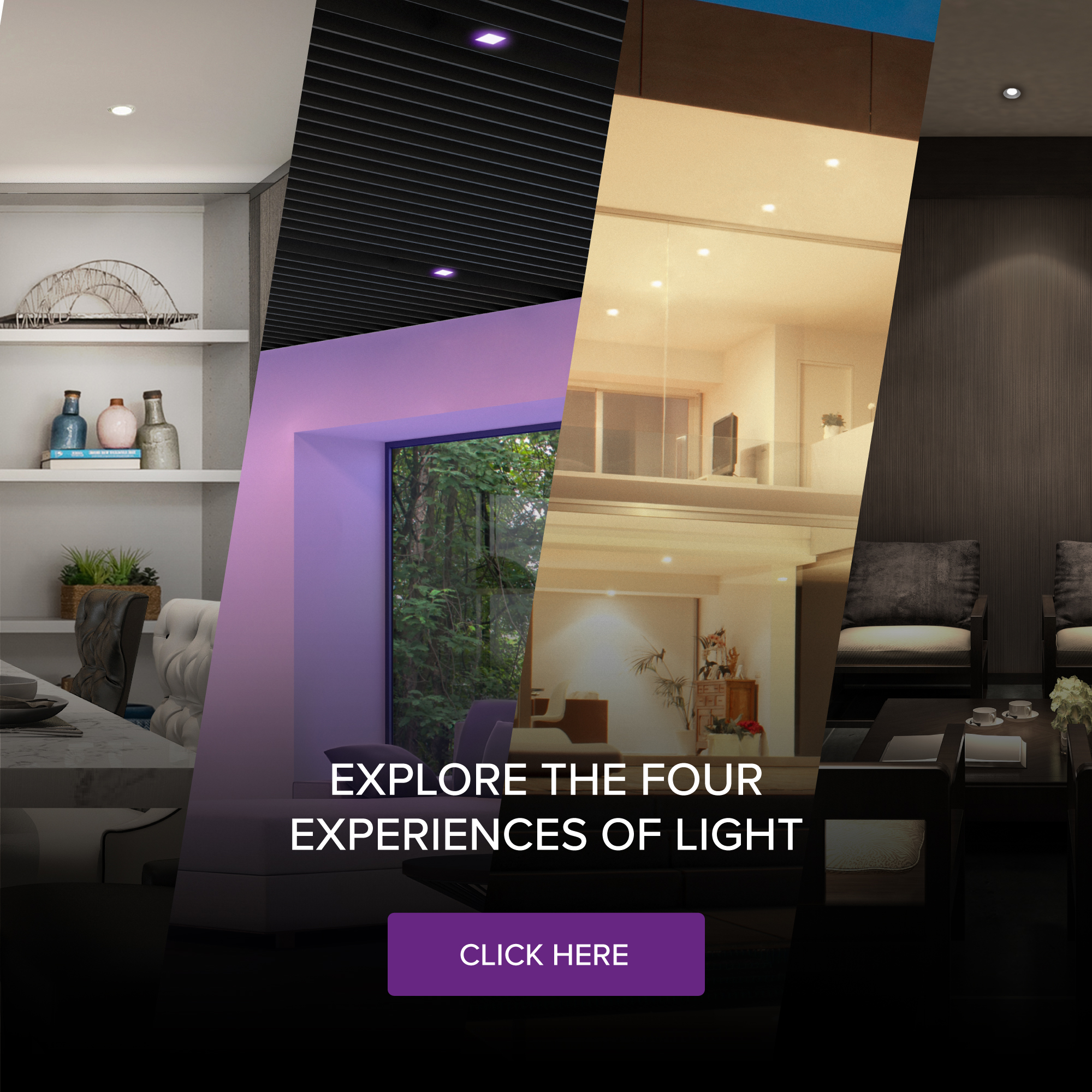 Discover AiSPIRE's "Four Experiences of Light"
AiSPIRE’s “Four Experiences of Light” focuses on making lighting customizable and designed for people. These solutions improve both the look of your space and your quality of life. With features like dimming, Warm Dim technology, color tuning and Human-Centric Lighting, AiSPIRE gives you the tools to create lighting that adapts to your needs and natural rhythms.
Explore the collection on our website and learn where to buy here.
Please contact us with any product questions, or any other information you may need.